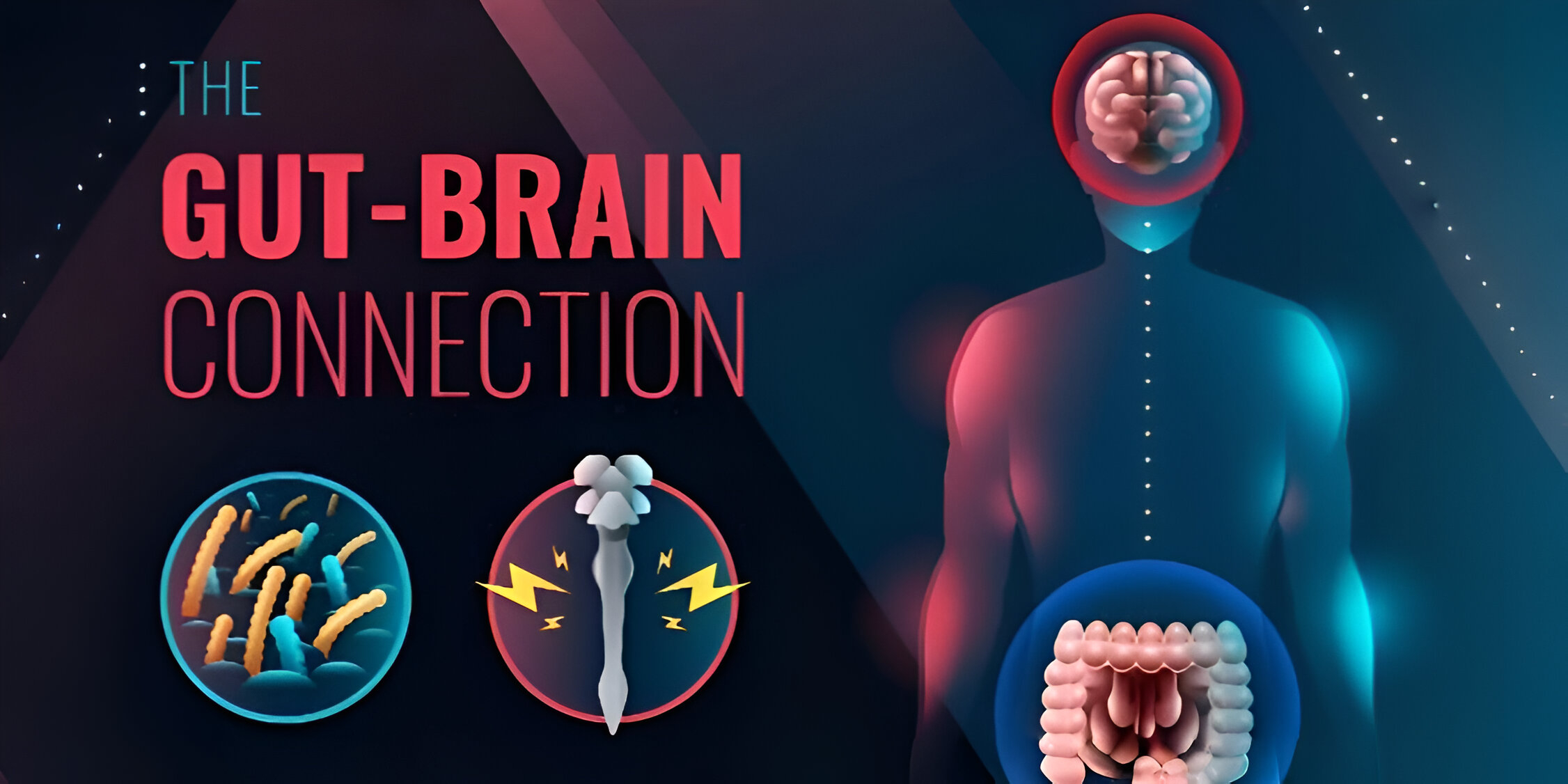
The Gut-Brain-Muscle Connection: What You Eat Affects How You Move
How Your Gut Health Impacts Brain Function, Muscle Performance, and Overall Movement
Introduction
We often separate nutrition, brain function, and muscle performance into different boxes. But science is now showing us something incredible:
The gut, brain, and muscles are intimately connected — and what you eat can profoundly influence how you move, perform, think, and recover.
Whether you're an athlete, recovering from injury, or just trying to feel your best, understanding the gut-brain-muscle axis could be the missing piece in your health puzzle.
What Is the Gut-Brain-Muscle Axis?
This axis is the bi-directional communication network between:
- Gut Microbiome (trillions of microbes in your digestive tract)
- Central Nervous System (Brain & Spine)
- Skeletal Muscle System
This connection operates through:
- Vagus nerve (neural pathway)
- Immune signaling
- Metabolic byproducts (e.g., short-chain fatty acids like butyrate)
- Hormones and neurotransmitters (e.g., serotonin, dopamine, GABA)
95% of serotonin — a key mood and motor control neurotransmitter — is produced in the gut, not the brain.
Gut Health & Brain Function: Why It Matters for Movement
- Mood disorders like anxiety and depression (often linked to poor gut health) can reduce motivation to move, train, or recover.
- Gut inflammation can impair neuroplasticity — your brain's ability to adapt and coordinate movement efficiently.
- A disrupted microbiome affects motor learning, coordination, and muscle memory development.
Evidence
- Mayer et al., 2015 (Nature Reviews Neuroscience): The gut microbiota influences stress responses, brain function, and mood — key players in motivation and performance.
- Cryan & Dinan, 2012: Showed that probiotics improved cognitive flexibility and motor coordination in mice and humans.
Gut & Muscle Connection: Can Your Microbiome Boost Strength?
Yes. Several studies now show gut microbes influence:
- Muscle mass
- Mitochondrial function
- Recovery and inflammation regulation
- Protein metabolism and absorption
Evidence
- Fielding et al., 2019 (Frontiers in Physiology): Germ-free mice (no gut bacteria) had reduced muscle strength and endurance. Adding beneficial microbes improved muscle fiber size and function.
- Ni Lochlainn et al., 2021 (Ageing Research Reviews): Found that gut dysbiosis is associated with sarcopenia (age-related muscle loss).
- Jäger et al., 2019: Athletes taking probiotics had better protein utilization and reduced markers of muscle damage post-exercise.
When the Gut is Disturbed: Movement Suffers
Signs your gut-brain-muscle connection may be impaired:
- Constant fatigue, even with proper training
- Mood swings, brain fog
- Bloating, irregular digestion
- Poor muscle recovery or repeated injuries
- Chronic pain or stiffness with no clear cause
These may signal gut inflammation, dysbiosis, or nutrient malabsorption, all of which impact motor performance.
How to Support the Gut-Brain-Muscle Axis
1. Prioritize Gut-Friendly Nutrition
- Eat fermented foods: yogurt, kefir, kimchi, sauerkraut
- Add prebiotic fibers: bananas, onions, garlic, oats, flaxseed
- Avoid ultra-processed foods, excessive sugar, and artificial sweeteners
- Eat a diverse diet with at least 30 plant types per week
2. Use Targeted Probiotics (When Needed)
- Strains like Lactobacillus rhamnosus and Bifidobacterium longum support mood and reduce gut inflammation
- Saccharomyces boulardii helps in post-antibiotic recovery
3. Stay Physically Active
Moderate exercise increases microbial diversity and anti-inflammatory gut flora
4. Manage Stress
- Stress increases gut permeability (leaky gut), triggering systemic inflammation and pain
- Practice deep breathing, yoga, or meditation to regulate the vagus nerve
5. Sleep Well
Poor sleep disrupts gut bacteria, increases cravings, reduces motor performance
Bonus Insight: The Gut Can Influence Your Movement Intuition
Many people say, "I feel it in my gut."
It's not just a metaphor — your enteric nervous system ("second brain") gives real-time feedback on threat, readiness, and even postural control.
This helps explain:
- Why gut issues worsen balance and coordination
- Why chronic digestive stress increases muscle stiffness or clumsiness
Key Takeaway
Your gut health doesn't just affect digestion — it influences how you feel, think, move, and perform.
For peak physical performance, injury recovery, or mental clarity, your gut must be in good shape.
Research References
- Cryan, J. F., & Dinan, T. G. (2012). Mind-altering microorganisms: the impact of the gut microbiota on brain and behaviour. Nature Reviews Neuroscience.
- Mayer, E. A., Knight, R., Mazmanian, S. K., Cryan, J. F., & Tillisch, K. (2015). Gut microbes and the brain: paradigm shift in neuroscience. Nature Reviews Neuroscience.
- Fielding, R. A., Reeves, A. R., Jasuja, R., Liu, C., & Barrett, B. B. (2019). The role of the gut microbiota in muscle mass and function in aging. Frontiers in Physiology.
- Ni Lochlainn, M., Bowyer, R., Steves, C. J. (2021). The microbiome and aging: potential mechanisms and implications for physical function and sarcopenia. Ageing Research Reviews.
- Jäger, R., et al. (2019). Probiotic supplementation improves muscle damage and recovery. Journal of the International Society of Sports Nutrition.