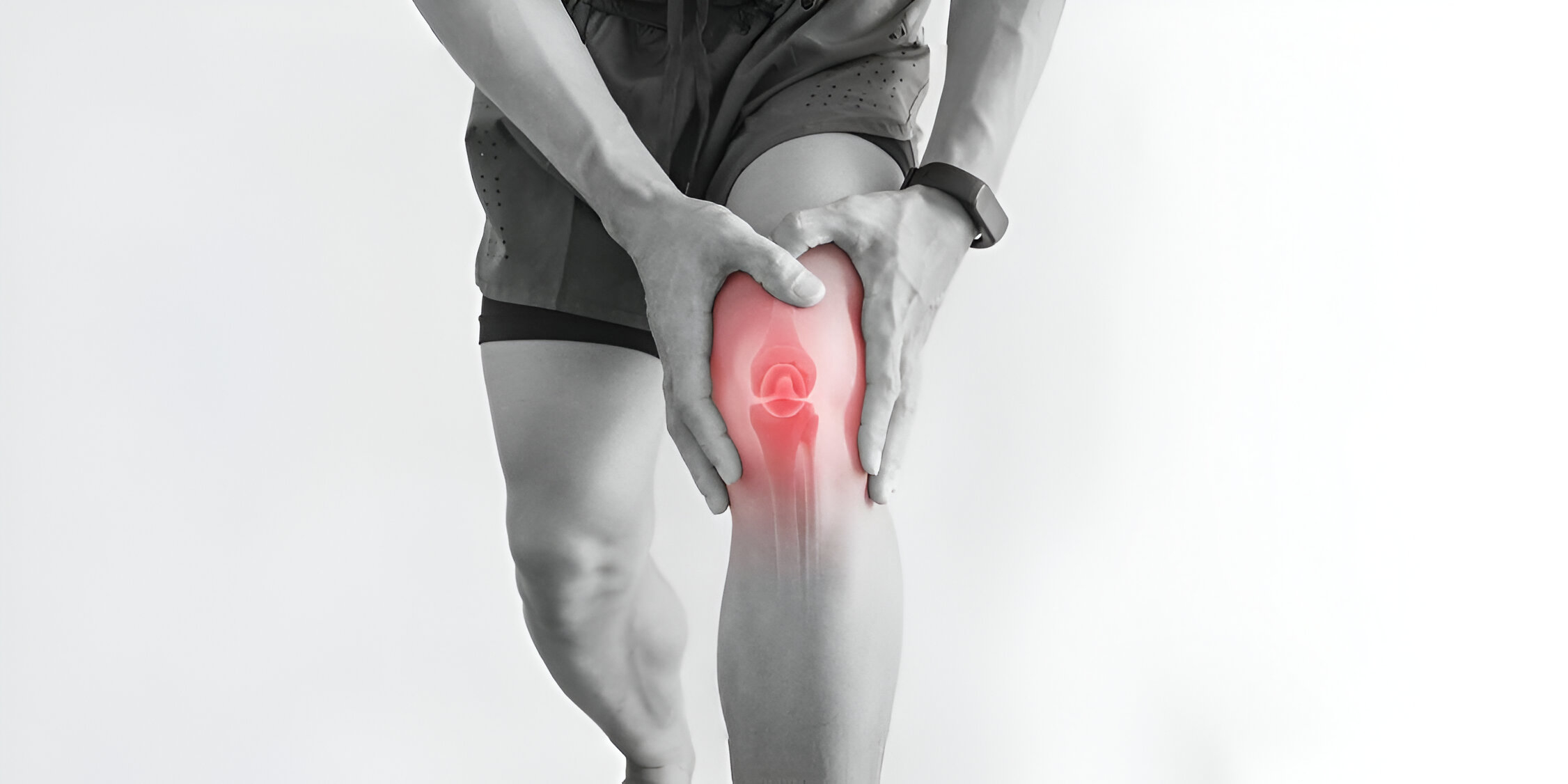
Strong Against Arthritis: How Strength Training Protects Joints, Builds Cartilage, and Reduces Pain
Science-Backed Benefits of Strength Training for Osteoarthritis, Rheumatoid Arthritis, and Degenerative Joint Conditions
Introduction
Arthritis affects over 350 million people worldwide, leading to pain, stiffness, and reduced mobility. Whether it's Osteoarthritis (OA)—the wear-and-tear kind—or Rheumatoid Arthritis (RA)—an autoimmune inflammation—most people assume that exercise, especially strength training, may worsen their condition.
But here's the truth backed by modern science:
Strength training is one of the most powerful non-pharmaceutical tools to protect your joints, reduce pain, and improve function in arthritis.
Understanding Arthritis & Joint Degeneration
Osteoarthritis (OA):
- Characterized by cartilage degradation, bone changes, and joint stiffness
- Often age-related, but also worsened by inactivity and muscle weakness
Rheumatoid Arthritis (RA):
- An autoimmune condition where the body attacks its own joints
- Leads to chronic inflammation, fatigue, and joint erosion
Other Degenerative Joint Conditions:
Ankylosing spondylitis, degenerative disc disease, chondromalacia, etc.
Why Strength Training Helps — The Science
1. Improves Joint Stability
- Strengthening muscles around joints reduces mechanical stress on cartilage and bones
- Less "wobble" = less wear-and-tear
Evidence: Hurley et al. (2005, Arthritis Research & Therapy) found that quadriceps weakness is a risk factor for knee OA, and strengthening it reduced joint loading.
2. Stimulates Cartilage Health
- Contrary to old belief, cartilage isn't "dead tissue"—it responds to mechanical load.
- Moderate strength training boosts synovial fluid circulation and nutrient diffusion into cartilage.
Evidence: Roos et al. (2010, Osteoarthritis and Cartilage) showed that strength and neuromuscular exercise stimulated cartilage adaptation and slowed degeneration. Van Ginckel et al. (2011) found that mechanical loading through training preserved cartilage volume in early-stage OA.
3. Reduces Inflammation in RA
- Strength training reduces systemic inflammation and improves immune function
- Also preserves lean mass, often lost in RA due to chronic inflammation (rheumatoid cachexia)
Evidence: Lemmey et al. (2009, Arthritis Care & Research): RA patients who did high-intensity strength training showed significant reductions in joint damage progression and increased muscle mass. Häkkinen et al. (2005) reported that progressive resistance training improved functional capacity in women with RA without exacerbating symptoms.
4. Improves Gait, Balance & Load Distribution
- Muscle weakness leads to compensatory patterns and increased joint compression
- Strength training improves biomechanics and reduces fall risk
Evidence: Segal et al. (2010): Greater leg strength is associated with slower OA progression. Mikesky et al. (2006): Progressive strength training reduced knee adduction moments—a predictor of OA worsening.
What Happens at the Tissue Level?
| Tissue | Effect of Strength Training |
|---|---|
| Muscle | Increases size, endurance, and stabilizing capacity |
| Cartilage | Promotes nutrient flow and ECM remodeling |
| Bone | Increases bone density, reducing risk of subchondral damage |
| Ligaments/Tendons | Becomes more resilient to strain |
| Synovial Fluid | Improves lubrication and waste clearance |
How to Start Strength Training for Arthritis (Safely)
Guidelines:
- Focus on low-impact, controlled resistance movements
- Use moderate resistance (60–70% 1RM), high reps (10–15 reps), 2–3 sets
- Emphasize eccentric control (slow lowering phase)
- Train 2–3 times per week
- Avoid flare-up days, modify load accordingly
Best Exercises:
- Closed chain lower limb: Wall squats, step-ups, glute bridges
- Upper limb: Resistance band rows, wall push-ups
- Core: Bird-dogs, dead-bugs
- Balance and stability drills
When to Be Cautious
- During RA flare-ups or severe joint inflammation
- If joints are hot, swollen, or unstable
- Without professional supervision if severe degeneration is present
Summary Table
| Benefit | Evidence |
|---|---|
| Reduces joint pain & stiffness | Hurley et al., 2005 |
| Stimulates cartilage growth | Roos et al., 2010 |
| Slows RA joint damage | Lemmey et al., 2009 |
| Reduces inflammation | Häkkinen et al., 2005 |
| Improves balance and function | Mikesky et al., 2006 |
Final Thoughts
"Motion is lotion" — but strength is protection.
Strength training is no longer optional for arthritis patients — it's essential medicine. Done correctly, it can slow down degeneration, preserve mobility, and give back independence.
References
- Hurley MV, et al. (2005). Quadriceps strength and functional benefits of exercise in OA. Arthritis Res Ther.
- Roos EM, et al. (2010). Mechanical loading influences cartilage health. Osteoarthritis Cartilage.
- Lemmey AB, et al. (2009). High-intensity training in RA patients. Arthritis Care Res.
- Häkkinen A, et al. (2005). Muscle strength improvements in RA. Arthritis Rheum.
- Mikesky AE, et al. (2006). Strength training effects on knee mechanics. Clin Biomech.
- Van Ginckel A, et al. (2011). Activity-related cartilage preservation. J Sci Med Sport.